Amistad Reservoir

Amistad Reservoir

Lakes
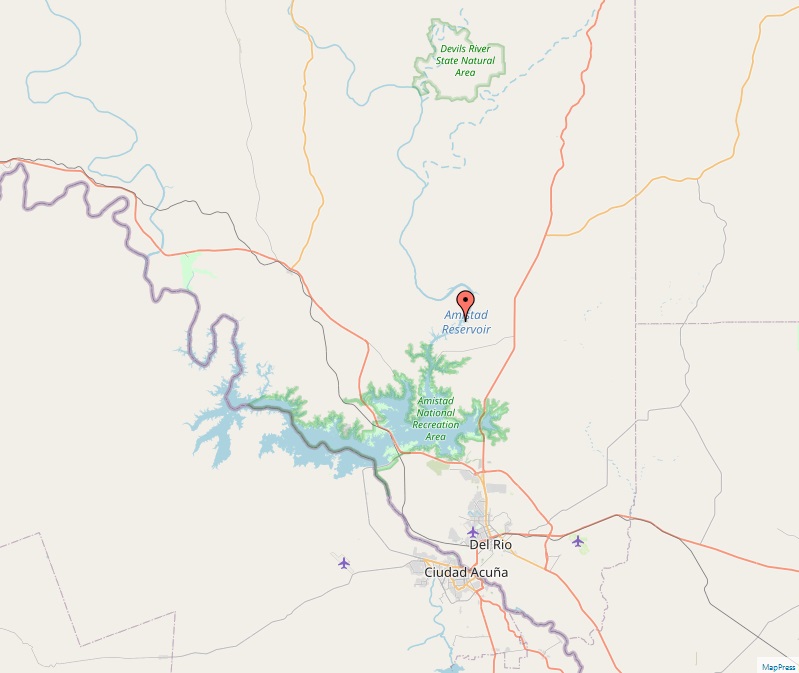
The Amistad Reservoir, fondly known as Lake Amistad, is a stunning example of international cooperation and natural splendor. Straddling the border of Texas, United States, and Coahuila, Mexico, this reservoir is not just a feat of engineering but a haven for outdoor enthusiasts. Geographical Significance Located 12 miles northwest of Del Rio, Texas, the Amistad Reservoir is a product of the confluence of the Rio Grande and the Devils River. Covering an impressive 64,900 acres, it reaches depths of up to 217 feet. The Amistad Dam, completed in November 1969, is a testament to bilateral collaboration, managed jointly by the U.S. and Mexico through the International Boundary and Water Commission. Hydrology and Ecology The reservoir's primary inflow comes from the northwestern end of the Rio Grande, complemented by the Devils…
Read More
Wheeler Lake

Wheeler Lake

Lakes
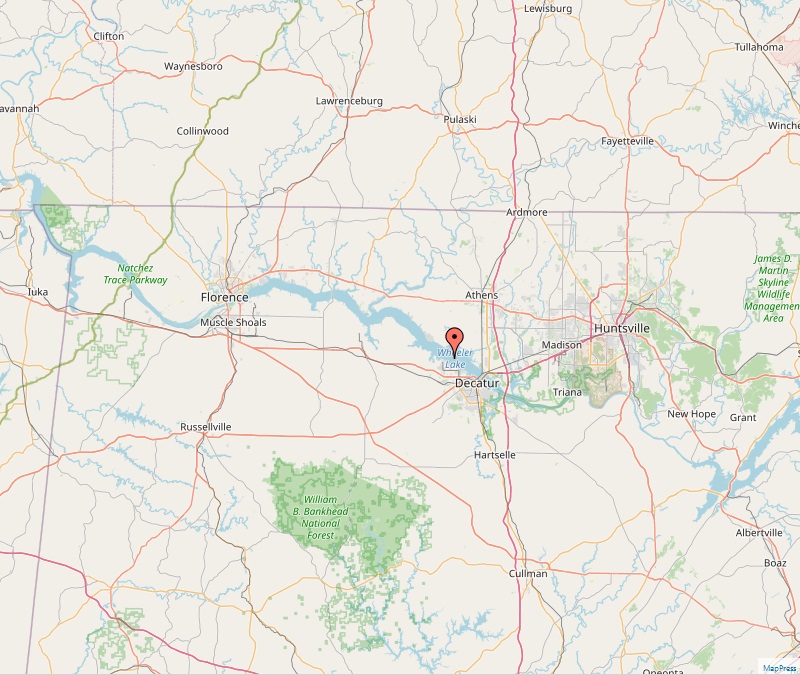
Wheeler Lake, a sprawling and picturesque reservoir in northern Alabama, is a vital water body that blends natural beauty with recreational and economic significance. Stretching between Rogersville and Huntsville, it is a cherished destination for both residents and tourists. Geography and Other Features Location and Size: Wheeler Lake is nestled in northern Alabama, positioned between Rogersville and Huntsville. It is the second-largest lake in Alabama, covering an area of approximately 68,300 acres, just slightly smaller than the largest, Guntersville Lake. Creation and Purpose: The lake was formed by the construction of Wheeler Dam along the Tennessee River, serving as a crucial resource for hydroelectric power generation, flood control, and navigation. Surface Elevation: Positioned at an elevation of 179 meters (587 feet), Wheeler Lake extends over 60 miles from Wheeler Dam…
Read More
Lake Saint Francis

Lake Saint Francis

Lakes
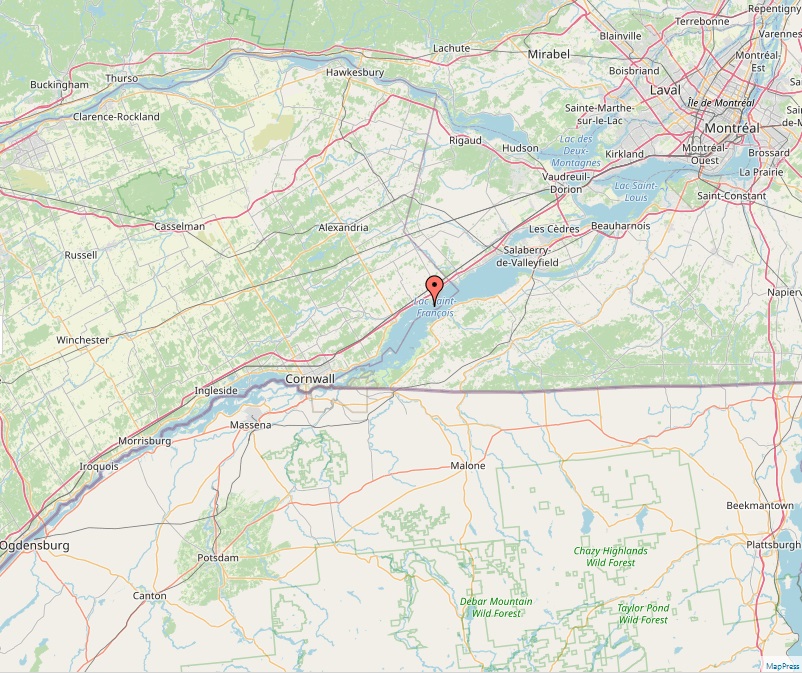
Lake Saint Francis, a scenic and ecologically significant body of water, spans the borders of southeastern Ontario, southwestern Quebec, and northern New York State. Part of the expansive Saint Lawrence River system, it lies between Lake Ontario and Montreal and is an integral segment of the Saint Lawrence Seaway. Geographical Location and Features Situated at 45°10′N 74°22′W, Lake Saint Francis forms a natural boundary connecting three distinct regions: Ontario, Quebec, and New York State. The lake, primarily fed and drained by the Saint Lawrence River, serves as a vital link in the river's journey from the Great Lakes to the Atlantic Ocean. Ecological Significance Ramsar Wetland of International Significance: In 1987, Lake Saint Francis was designated as a Ramsar Wetland, highlighting its global importance for ecological conservation. This designation underscores…
Read More
Guntersville Lake

Guntersville Lake

Lakes
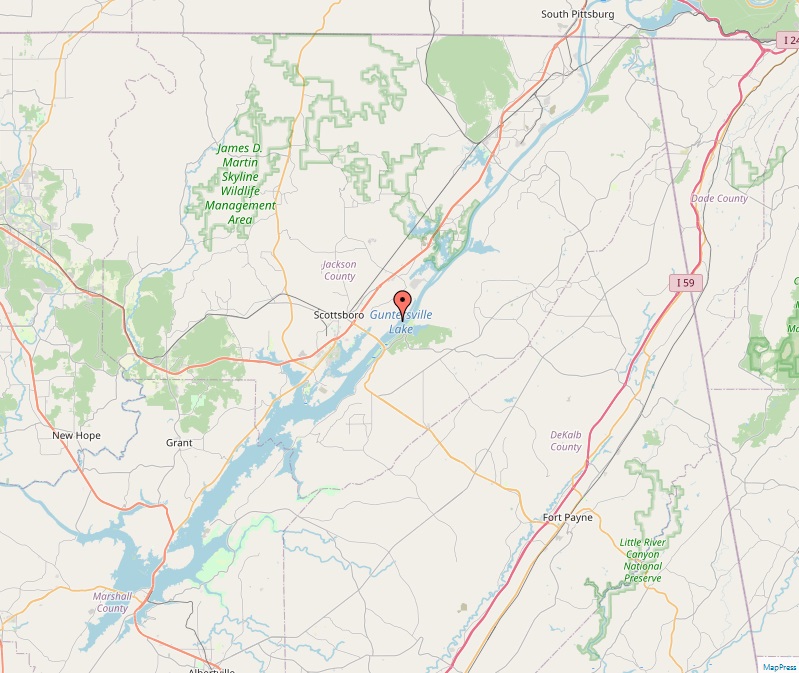
Lake Guntersville, nestled between Bridgeport and Guntersville in northern Alabama, is an artificial reservoir known for its picturesque landscapes and recreational opportunities. As Alabama's largest lake, it spans 75 miles and covers a vast area of 69,000 acres. Geographical Setting The lake is formed by the Guntersville Dam on the Tennessee River and is a prominent feature in Jackson and Marshall counties. Its extensive stretch from Guntersville Dam to Nickajack Dam makes it a significant part of the region's natural and recreational landscape. Historical Background Named after the nearby town of Guntersville, which in turn was named for early settler John Gunter, the lake's history is intertwined with the development of the Tennessee River. The construction of Guntersville Dam, as part of the Tennessee Valley Act, was a pivotal moment…
Read More
Bear Lake (Idaho–Utah)

Bear Lake (Idaho–Utah)

Lakes
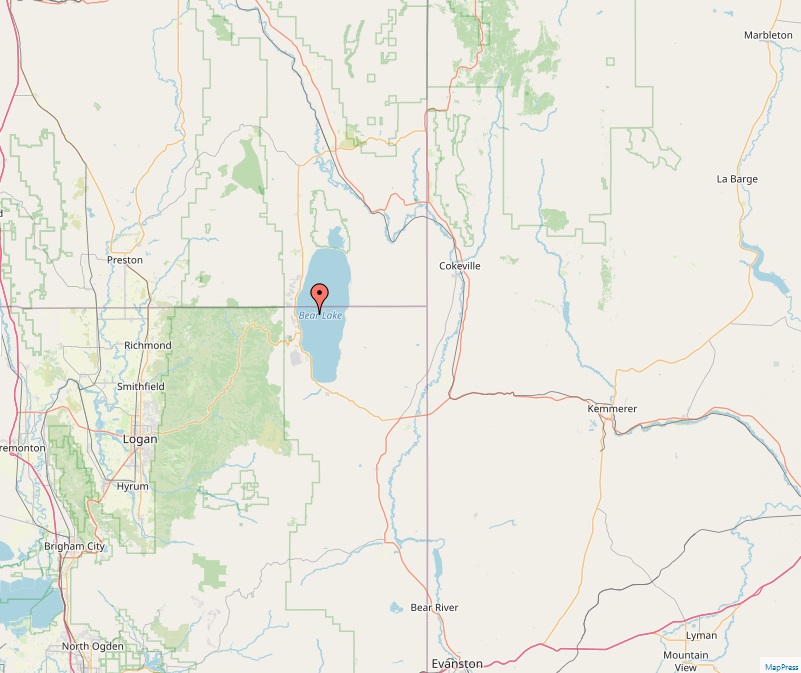
Lake Bear, straddling the Idaho–Utah border, is a natural freshwater lake renowned for its stunning turquoise-blue color and unique ecological system. Covering 109 square miles, it is a geological marvel formed over 250,000 years ago. Geographical Features Lake Bear is 18.3 miles long and 7.1 miles wide, with a maximum depth of 208 feet. Its unique color is attributed to the refraction of suspended limestone in its waters. The lake is a remnant of ancient geological activity, formed by fault subsidence, and continues to evolve slowly. Hydrology The primary inflow to Lake Bear comes from the Bear River diversion and various creeks, including Fish Haven, North Eden, South Eden, Swan Creek, and St. Charles. Its primary outflow is the Bear Lake Outlet Canal. The lake has a substantial catchment area…
Read More
Lake Strom Thurmond

Lake Strom Thurmond

Lakes
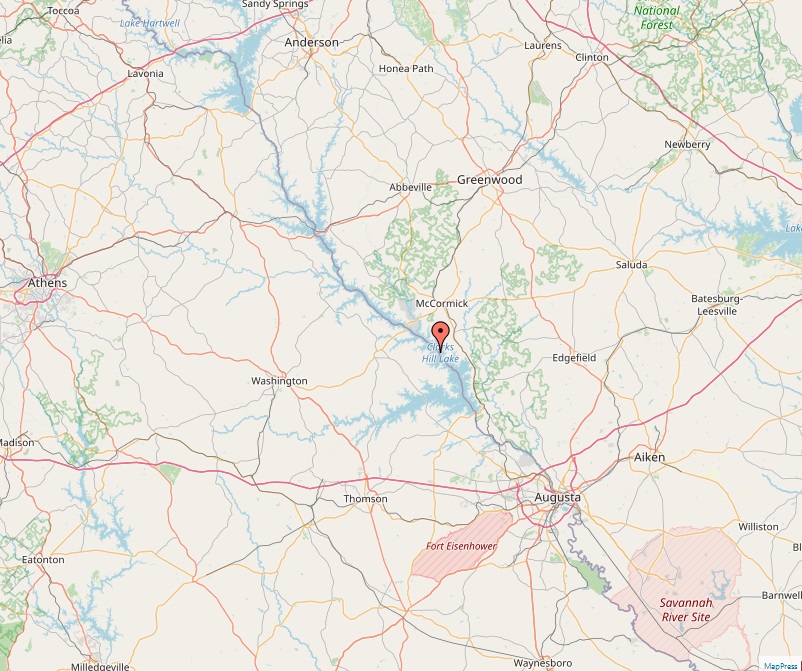
Lake Strom Thurmond, also known as Clarks Hill Lake in Georgia, is a massive reservoir located on the Savannah River, shared by Georgia and South Carolina. This reservoir, named after the long-serving U.S. Senator Strom Thurmond, is renowned for its vast size and diverse recreational opportunities. Geographical Features Lake Strom Thurmond is one of the largest artificial lakes east of the Mississippi River, boasting an expansive surface area of 71,100 acres. The lake stretches approximately 150 miles from the Canada–US border to the Grand Coulee Dam, with a remarkable shoreline extending over 1,200 miles. It reaches a maximum depth of 180 feet, making it a significant geographical feature in the region. Historical Significance Constructed between 1946 and 1954, the lake was initially referred to as "Clarks Hill Lake." It was…
Read More
Moosehead Lake

Moosehead Lake

Lakes
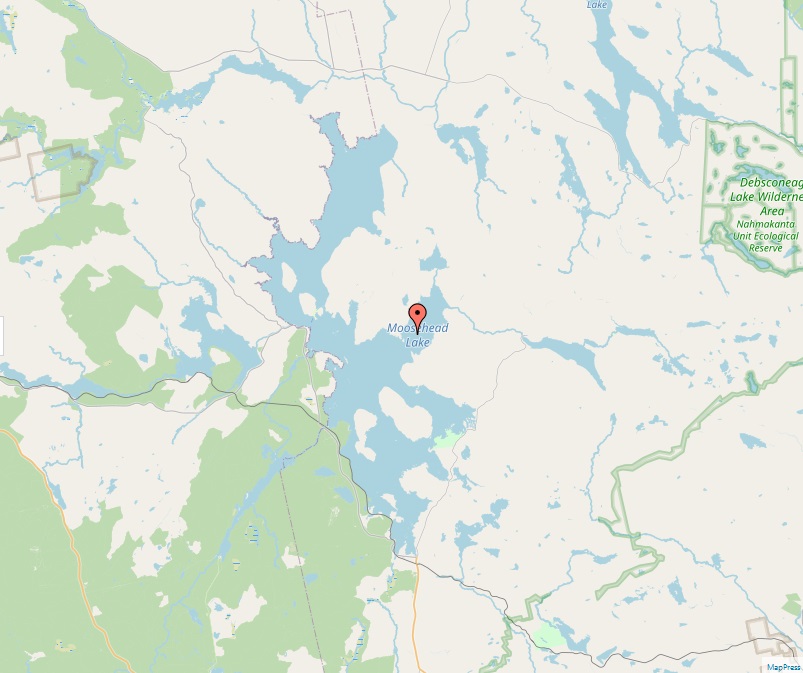
Lake Moosehead, nestled in Piscataquis County, Northwestern Maine, is a natural wonder that stands as the largest lake in Maine and the second-largest in New England. This majestic lake, with its rich history and stunning natural beauty, is a significant landmark in the eastern United States. Geographical Significance Spanning an impressive 40 miles in length and 10 miles in width, Lake Moosehead covers a surface area of approximately 75,451 acres. The lake is renowned for its depth, reaching a maximum of 246 feet. Its location in the Longfellow Mountains contributes to its title as the largest mountain lake in the eastern United States and the source of the Kennebec River. Historical Background Lake Moosehead has been a point of interest for centuries, attracting diverse groups from early American Indians to…
Read More
Lake Clark (Alaska)

Lake Clark (Alaska)

Lakes
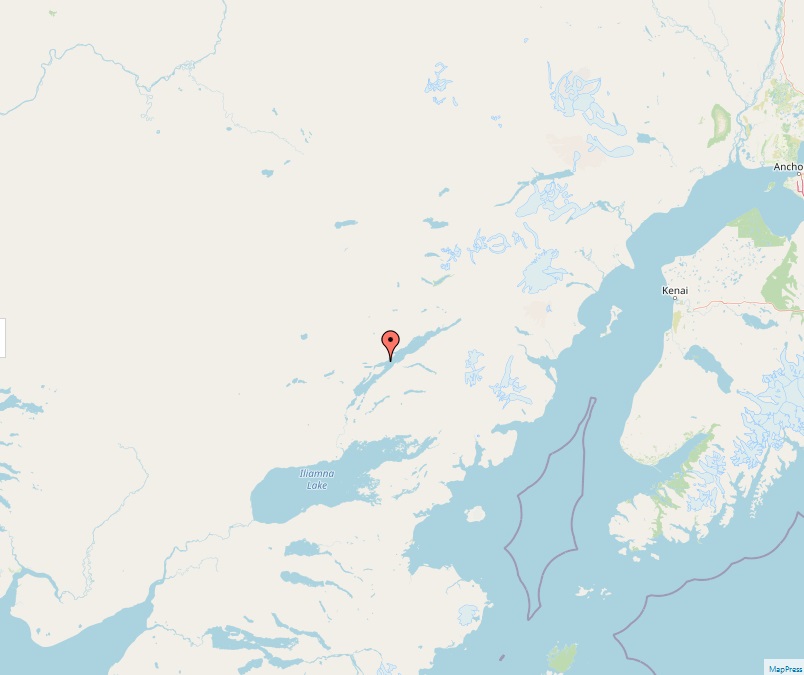
Lake Clark, located in southwest Alaska, is a pristine and picturesque lake known for its breathtaking natural beauty and cultural significance. It holds a special place in Alaska's diverse landscape and is a treasured destination for nature enthusiasts. Geographical Features Lake Clark stretches approximately 43 miles in length and spans around 5 miles in width. Its impressive depth reaches up to 1,056 feet, making it one of Alaska's deeper lakes. The lake's surface elevation is about 246 feet, contributing to its unique ecosystem. Historical Background Named after John W. Clark, the first American non-Native to discover the lake in 1891, Lake Clark has a rich history intertwined with the indigenous Dena'ina Athabascan people. Its Dena'ina name, "Qizjeh Vena," translates to "place where people gather lake," highlighting its historical role as…
Read More
Franklin D. Roosevelt Lake

Franklin D. Roosevelt Lake

Lakes
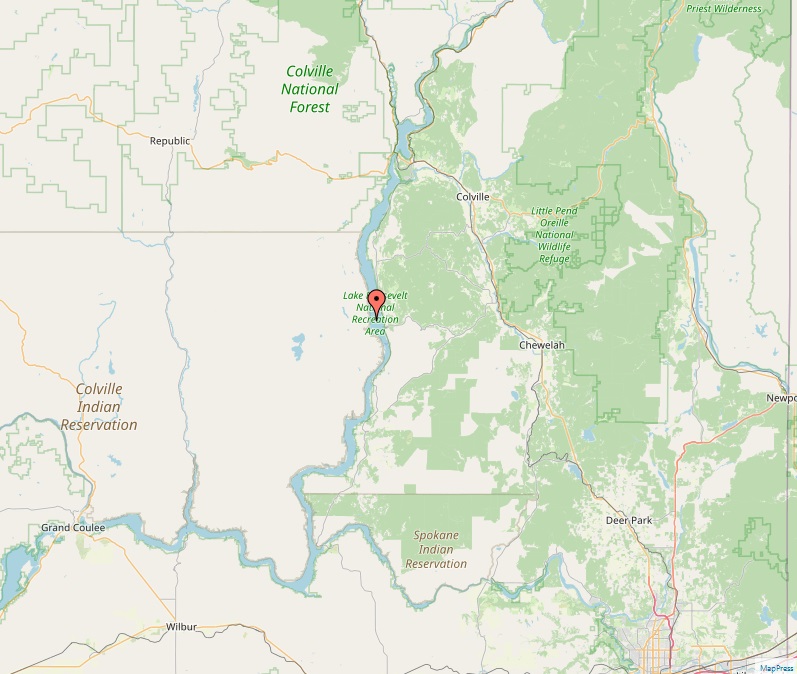
Franklin D. Roosevelt Lake, often referred to as Lake Roosevelt, is a substantial reservoir created by the Grand Coulee Dam's impoundment of the Columbia River in Washington state. Named in honor of President Franklin D. Roosevelt, its formation marked a significant chapter in American engineering and environmental history. Geographical Features Spanning 125 square miles with an extensive shoreline exceeding 600 miles, Lake Roosevelt is Washington’s largest lake and reservoir. It stretches approximately 150 miles from the Canada-US border to the Grand Coulee Dam, encompassing a diverse ecological and geological landscape. Historical Background The reservoir's inception dates back to 1941, coinciding with Roosevelt's presidency. Initially referred to as the Columbia Reservoir, it underwent several name changes, including "Columbia Lake" and "Empire Lake," before being officially named after President Roosevelt in 1945,…
Read More
Lake Livingston

Lake Livingston

Lakes
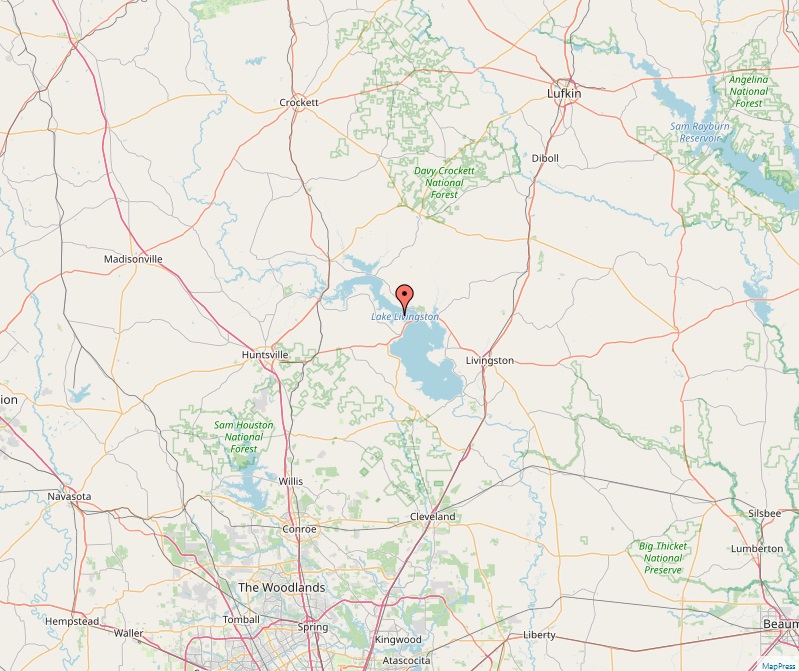
Nestled in the East Texas Piney Woods, Lake Livingston emerges as a significant reservoir managed by the Trinity River Authority (TRA) of Texas. Spanning over Polk, San Jacinto, Trinity, and Walker Counties, it stands as the third-largest lake in Texas, following the Sam Rayburn Reservoir and Toledo Bend Reservoir. Geographical Overview The lake extends over a vast surface area of 130 square miles (336 km²), with a maximum depth of 90 feet and an average depth of 23 feet. It's fed and drained by the Trinity River, covering a catchment area of 16,616 square miles (43,040 km²). Dam and Reservoir Features Lake Livingston owes its existence to the Livingston Dam, which stretches 2.5 miles (4 km) with an average depth of 55 feet (17 m). Constructed primarily for water-supply purposes,…
Read More