Devils Lake (North Dakota)

Devils Lake (North Dakota)

Lakes
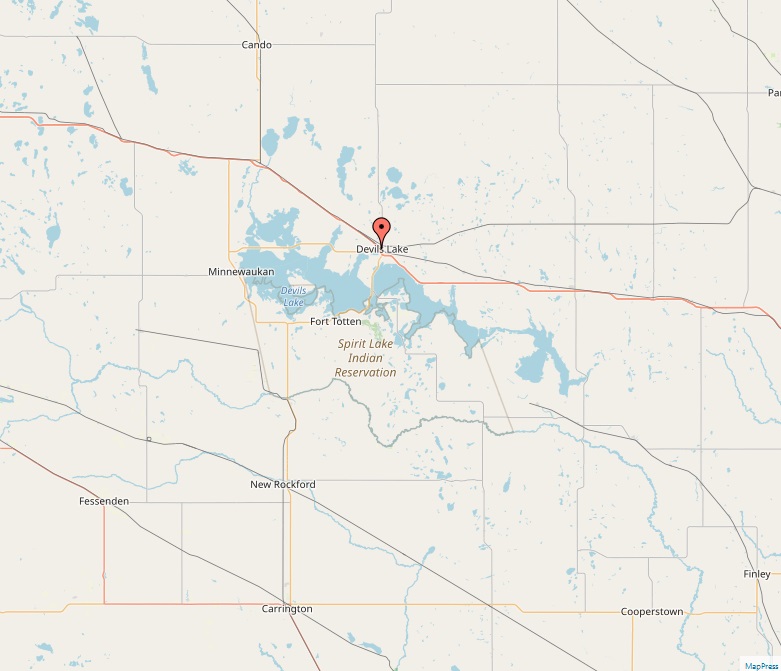
Devils Lake, nestled in the heart of North Dakota, is a significant natural water body known for its dynamic ecosystem and fluctuating water levels. As the largest natural lake in the state, it presents an intriguing case of environmental and hydrological interest. Geographical Setting Straddling Ramsey and Benson counties, Devils Lake occupies a unique position in northeastern North Dakota. The Spirit Lake Tribe is closely tied to the southern shores of the lake, having faced significant impact from flooding. The cities of Devils Lake and Minnewaukan, named after the lake, are key settlements in its vicinity. Hydrological Features An endorheic basin, Devils Lake captures approximately 86% of water runoff from its 3,800 square miles catchment area. Uniquely, the lake spills into Stump Lake at certain elevations and eventually into the…
Read More
Teshekpuk Lake

Teshekpuk Lake

Lakes
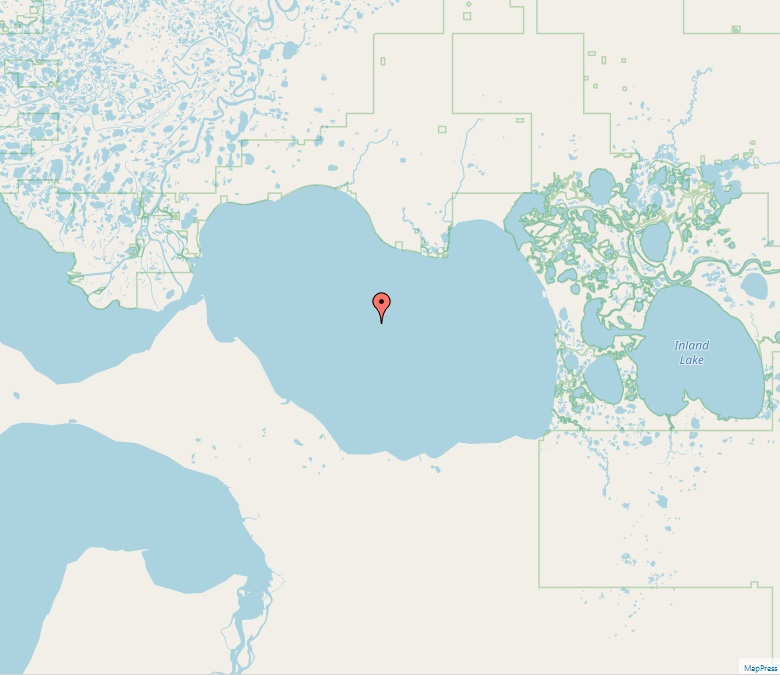
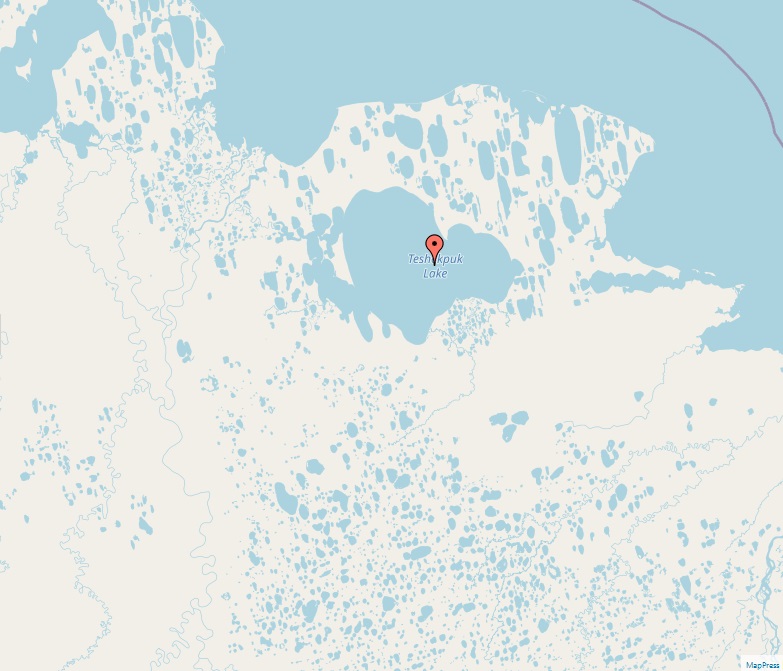
Teshekpuk Lake, a vast and pristine expanse in Arctic Alaska, stands as a testament to the unspoiled beauty of the natural world. This lake, the largest in Arctic Alaska, is a crucial habitat for an array of Arctic wildlife and holds significant environmental importance. Geographical Location Positioned within the National Petroleum Reserve-Alaska, Teshekpuk Lake spans a remarkable 22 miles in width. It's located South of Pitt Point, about 12 miles east of Harrison Bay, and 80 miles east of Point Barrow. The lake's substantial size and remote location contribute to its untouched and wild character. Ecological Significance Teshekpuk Lake is more than just a body of water; it's a thriving ecosystem, playing host to the Teshekpuk Lake caribou herd, which numbers around 64,000. The area is also a crucial habitat…
Read More
Rainy Lake

Rainy Lake

Lakes
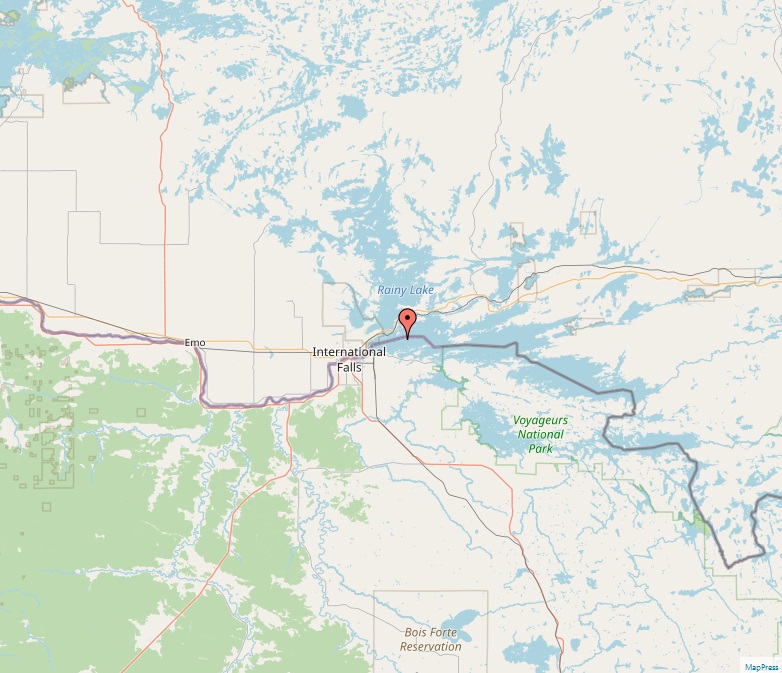
Rainy Lake, a gem of natural beauty, straddles the United States-Canada border, with its expanse touching both Minnesota and Ontario. This freshwater lake, rich in history and natural splendor, is a significant ecological and recreational asset for both nations. Geographical Overview Rainy Lake, boasting a surface area of 360 square miles (932 km²), is a significant remnant of the glacial Lake Agassiz. Its maximum length stretches up to 50 miles, with a width of about 30 miles. The lake's maximum depth reaches approximately 160 feet, displaying a diverse underwater topography. The lake's shoreline, extending for about 930 miles (1,500 km), is adorned with around 2,568 islands, offering a rugged and picturesque landscape. Hydrology and Ecology The lake's primary inflows include the Namakan Lake, Kabetogama Lake, and the Seine River, with…
Read More
Salton Sea

Salton Sea

Lakes
Salton Sea, a unique saline lake located in the arid Colorado Desert of Southern California, stands as a striking example of both natural history and human impact on the environment. This endorheic rift lake, nestled in Riverside and Imperial counties, is a remnant of ancient geological activity and modern human engineering. Geological and Historical Background Formed on the San Andreas Fault within the Salton Trough, Salton Sea's existence is closely tied to the Colorado River's historical flow patterns. The region has alternated between periods of dry desert basin and a fertile lakebed, depending on the river's course. Archaeological evidence suggests that this area was historically significant for Native American tribes. The modern incarnation of Salton Sea emerged in 1905, following an engineering mishap during irrigation canal constructions from the Colorado…
Read More
Fort Peck Lake

Fort Peck Lake

Lakes
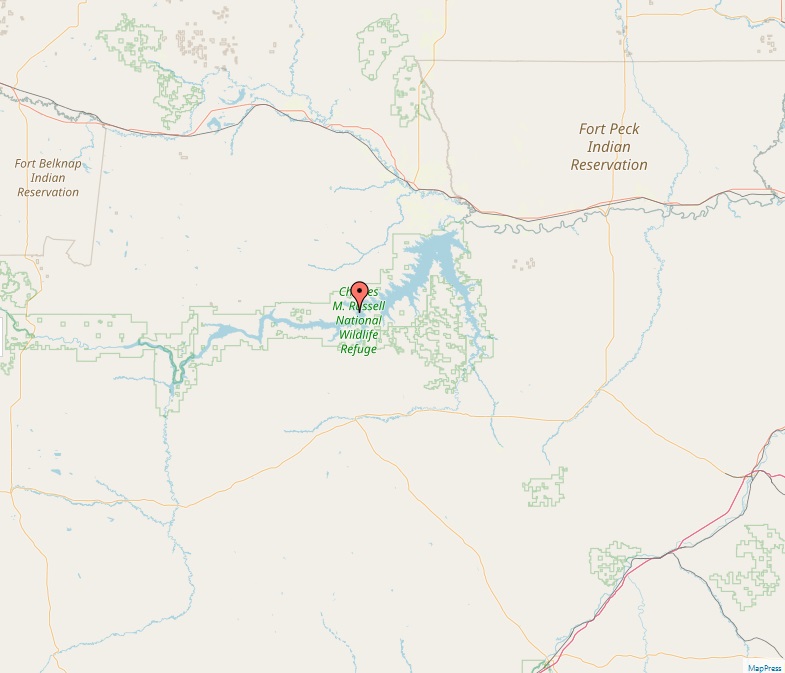
Fort Peck Lake, also known as Lake Fort Peck, is a remarkable feat of engineering and a testament to human ingenuity. Nestled in the prairies of Montana, this expansive reservoir was created by the construction of the Fort Peck Dam on the Missouri River. It's not just a lake but a cornerstone of the local ecosystem and a hub for recreational activities. Geographical and Historical Background Fort Peck Lake sprawls across eastern Montana, touching six counties, and lies approximately 140 miles east of Great Falls and 120 miles north of Billings. The Fort Peck Dam, constructed primarily in the 1930s, was a monumental project aimed at enhancing navigation on the Missouri River. This initiative was part of a broader plan to control flooding and foster economic growth along the Missouri…
Read More
Selawik Lake

Selawik Lake

Lakes
Nestled in the pristine wilderness of Northwest Arctic Borough, Alaska, Selawik Lake, known in Inupiaq as Imaġruk, is a natural wonder that exemplifies the serene beauty of the Alaskan landscape. As the third-largest lake in Alaska and the seventeenth largest in the United States, Selawik Lake stretches over a vast expanse and offers a glimpse into the untouched natural world. Geographical Significance Spanning an impressive 31 miles (50 km) in length, Selawik Lake boasts a surface area of approximately 404 square miles (1,050 km²). Its geographical location is significant as it lies only 7 miles (11 km) southwest of the town of Selawik and adjacent to the Selawik National Wildlife Refuge. This proximity provides vital habitat for a diverse array of wildlife and plays a crucial role in the regional…
Read More
Red Lake (Minnesota)

Red Lake (Minnesota)

Lakes
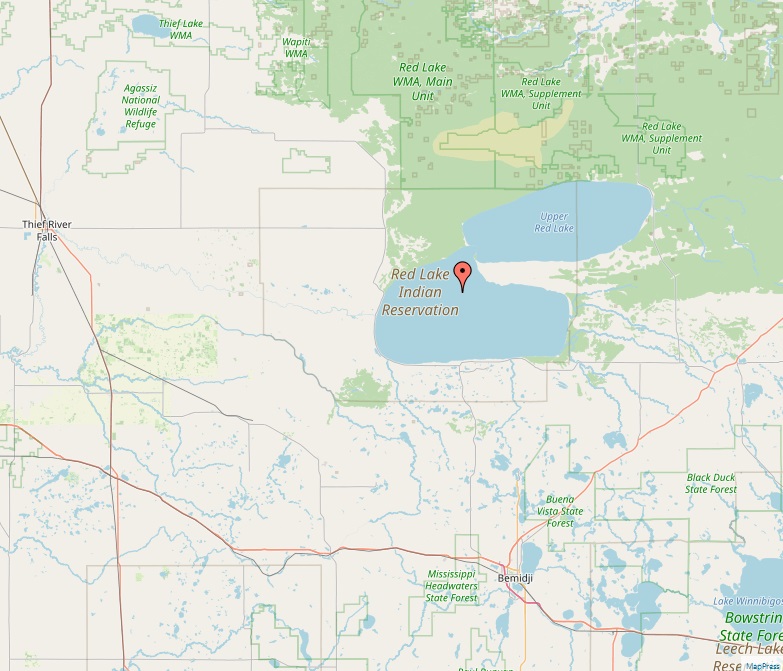
Red Lake, nestled in Beltrami County in northern Minnesota, is not only a significant natural resource but also a remarkable feature in the American landscape. As the largest natural freshwater lake entirely within Minnesota and the 16th largest in the United States, Red Lake holds a special place in both ecological and cultural aspects. Geographical Overview Spanning a vast area of 440 square miles (1,150 km²), Red Lake is unique in its bifurcation into two distinct sections - Upper Red Lake and Lower Red Lake. The two parts are divided by a peninsula, with the community of Ponemah situated on this dividing landform. Lower Red Lake lies entirely within the Red Lake Indian Reservation, adding to its cultural significance. The lake reaches a maximum depth of 35 feet (11 m)…
Read More
Lake St. Clair

Lake St. Clair

Lakes
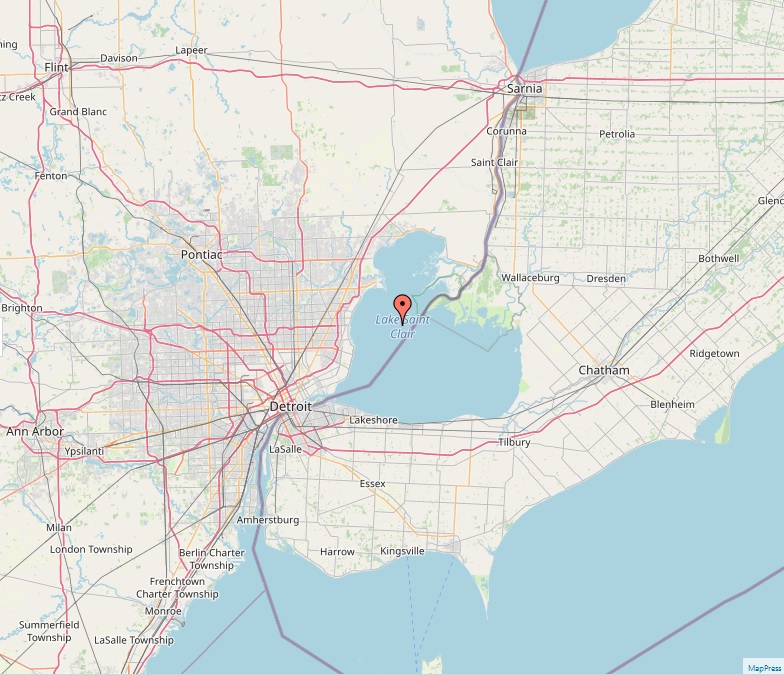
Lake St. Clair, an estuarine lake nestled between Ontario, Canada, and Michigan, United States, is a remarkable water body that forms a vital link in the Great Lakes system. Renowned for its historical and ecological significance, Lake St. Clair provides a unique blend of cultural heritage and natural beauty. Geographical Significance Positioned between Lake Huron and Lake Erie, Lake St. Clair plays a crucial role in the Great Lakes waterway. The lake spans approximately 430 square miles (1,114 km²) and features a relatively shallow average depth of 11 feet (3.4 m). It is notable for its shallow waters and the extensive St. Clair Delta, the largest delta of the Great Lakes System. Lake St. Clair's geographical location, near major urban centers like Detroit, Michigan, and Windsor, Ontario, adds to its…
Read More
Becharof Lake

Becharof Lake

Lakes
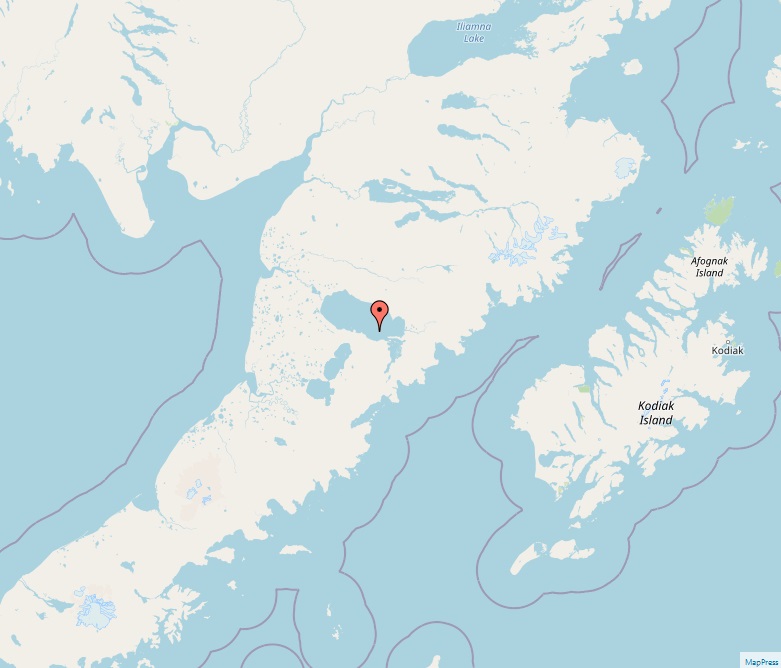
Lake Becharof, nestled in the Lake and Peninsula Borough of Alaska, is a remarkable natural feature of the Aleutian Range. Stretching over 37 miles (60 km) in length and situated 23 miles (37 km) southeast of Egegik, this lake is not only the second largest in Alaska, after Iliamna Lake, but also holds prestigious rankings nationwide. It is eighth in the United States by volume and fourteenth by area. Geological and Geographic Features With its surface area spanning 453 square miles (1,170 km²), Lake Becharof showcases a diverse and dynamic ecosystem. The lake's surface elevation stands at 13 feet (4.0 m), indicative of its unique position in the rugged terrain of the Alaska Peninsula. The lake's expansive waters are a testament to the raw, untamed beauty of Alaska's landscapes. Historical…
Read More
Lake Champlain

Lake Champlain

Lakes
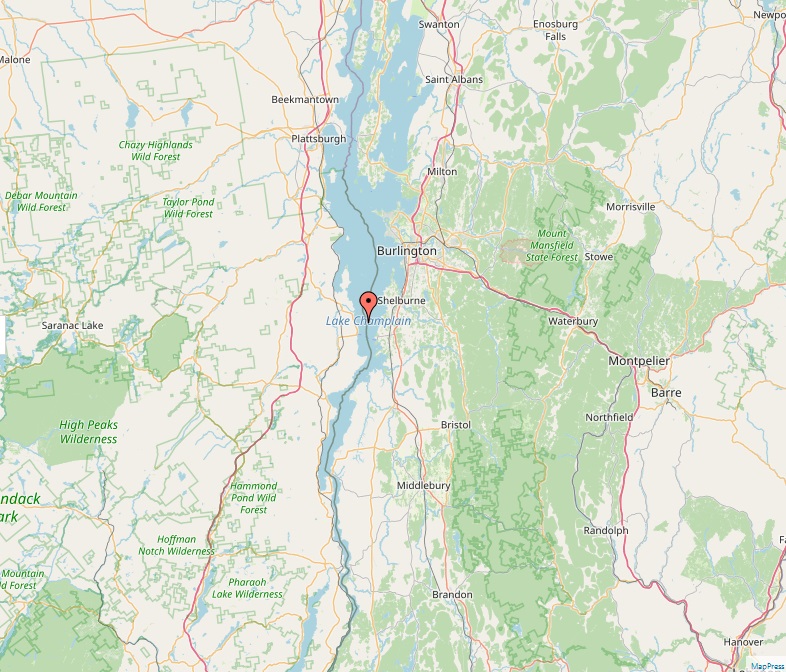
Lake Champlain, a natural freshwater lake in North America, is situated mainly between New York and Vermont in the United States and extends into Quebec, Canada. Known for its vast expanse and significant role in the region, Lake Champlain is a crucial part of the local ecosystem and a historical landmark. Geography and Hydrology With coordinates at 44.53°N 73.33°W, Lake Champlain measures 107 miles in length and up to 14 miles in width. It covers an area of 514 square miles, with an average depth of 64 feet and a maximum depth of 400 feet. The lake's catchment area spans 8,234 square miles, encompassing various landscapes and communities. The primary outflow of Lake Champlain is the Richelieu River, which connects to the St. Lawrence River. Topography Lake Champlain is nestled…
Read More