Pyramid Lake (Nevada)

Pyramid Lake (Nevada)

Lakes
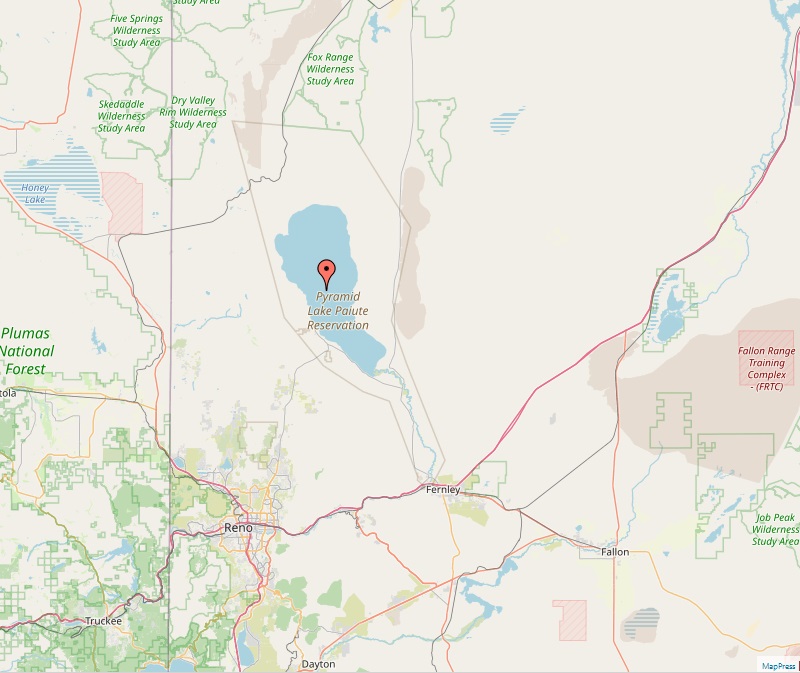
Lake Pyramid, also known as Kooyooe Panunadu in Northern Paiute and Á’waku dáʔaw in Washo, is a remarkable endorheic salt lake located in Washoe County, Nevada. This geographical wonder, a remnant of the ancient Lake Lahontan, stands as a testament to both natural history and the enduring cultural significance of the native Paiute people. Geographical Overview Nestled 40 miles northeast of Reno, Nevada, Lake Pyramid spans a length of 29.8 miles and a maximum width of 8.7 miles, encompassing a surface area of approximately 188 square miles. Its maximum depth reaches 356 feet, and it sits at an elevation of 3,796 feet. The lake's primary inflow is the Truckee River, which enters at its southern end. Historical Significance Lake Pyramid holds a sacred place in the history and culture of…
Read More
Lake Tahoe

Lake Tahoe

Lakes
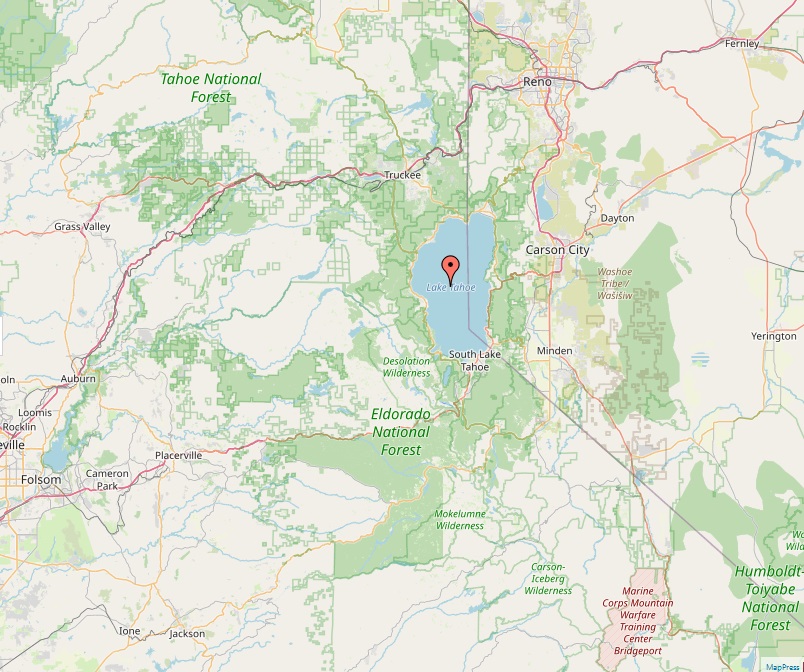
Lake Tahoe, known in Washo as Dáʔaw, is an awe-inspiring freshwater lake situated in the Sierra Nevada of the Western United States. Straddling the border between California and Nevada, it sits majestically at 6,225 feet above sea level. Renowned as the largest alpine lake in North America, Lake Tahoe holds a special place in both natural beauty and geographical significance. Geographical Features Stretching over 22 miles in length and encompassing a width of 12 miles, Lake Tahoe's surface area spreads across 191 square miles. The lake's grandeur is further highlighted by its impressive depth of 1,645 feet, making it the second deepest lake in the United States. The lake's primary outlet is the Truckee River, and it is surrounded by an enchanting panorama of mountains. Historical Formation Lake Tahoe's origin…
Read More
Flathead Lake

Flathead Lake

Lakes
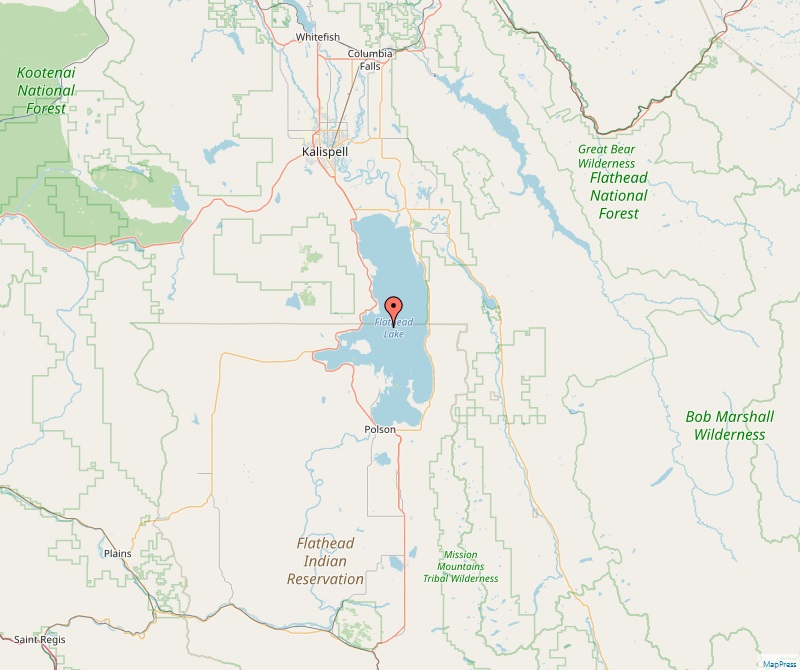
Lake Flathead, known as člq̓etkʷ in Kalispel-Pend d'Oreille and yawuʔnik̓ ʔa·kuq̓nuk in Kutenai, is a magnificent natural lake situated in northwest Montana, United States. It stands as a testament to the region's glacial history, being a remnant of the gigantic glacial dammed Lake Missoula from the last interglacial period. Geographical Features Encompassing an area of 197 square miles (510 km²), Lake Flathead is renowned for its vast size, with a length of 27.3 miles and a width of 15.5 miles. At 370.7 feet deep, it ranks among the deepest lakes in the region. The lake is nestled within a picturesque setting, flanked by the Mission Mountains to the east and the Salish Mountains to the west. The Flathead River, along with the Swan River, serves as its primary tributary and…
Read More
Mille Lacs Lake

Mille Lacs Lake

Lakes
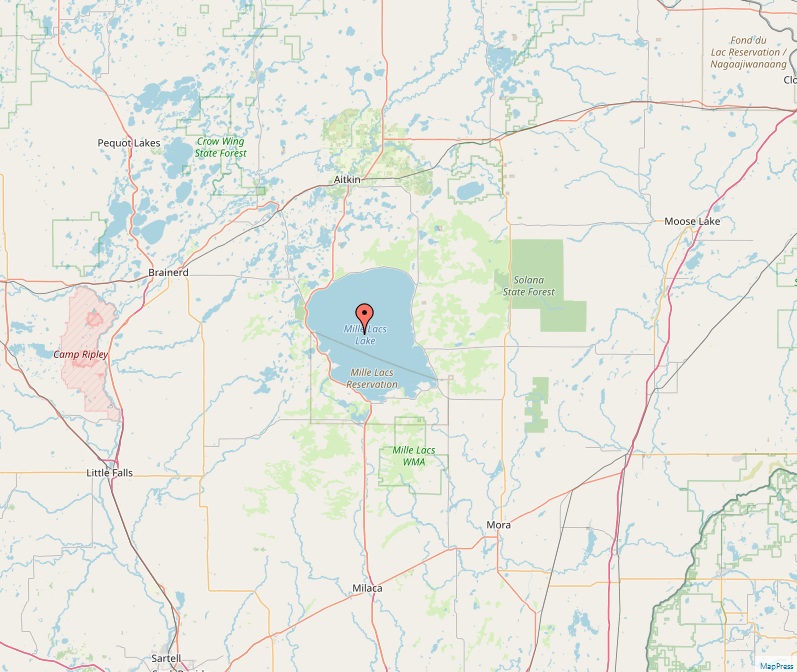
Lake Mille Lacs, a prominent lake in Minnesota, is renowned for its size and historical significance. Situated in Aitkin, Mille Lacs, and Crow Wing Counties, it is located approximately 75 miles north of Minneapolis-St. Paul. Mille Lacs, meaning "thousand lakes" in French, is also known as Misi-zaaga'igan in Ojibwe, denoting its grandeur. Physical Features Spanning 132,516 acres (536 km²), Mille Lacs is Minnesota's second-largest inland lake, with a maximum depth of 42 feet. The lake's southern half is characterized by gravel and rock bars, while the northern half features deeper waters. Islands on Mille Lacs Mille Lacs Lake is home to numerous islands, varying in size. The most prominent include: Malone Island Mulybys Island Upper Twin Island and several others, each contributing to the lake's diverse ecosystem. Fishing Mille Lacs…
Read More
Lake Winnebago

Lake Winnebago

Lakes
Lake Winnebago, nestled in east central Wisconsin, is a remarkable freshwater lake renowned for its expansive size and rich recreational offerings. It spans across Winnebago, Calumet, and Fond du Lac counties, extending over a surface area of 131,939 acres. The lake boasts a length of 30 miles and a width of 10 miles, with an average depth of 15.5 feet and a maximum depth of 21 feet. Geographic and Hydrological Features This shallow lake, with a surface elevation of about 746 feet above sea level, is fed by the Wolf and Fox Rivers. These tributaries converge at Lake Butte des Morts, with the Fox River continuing through Oshkosh to enter Lake Winnebago and eventually empty into Green Bay. The lake’s vast area and unique geological features, including shallow reefs and…
Read More
Naknek Lake

Naknek Lake

Lakes
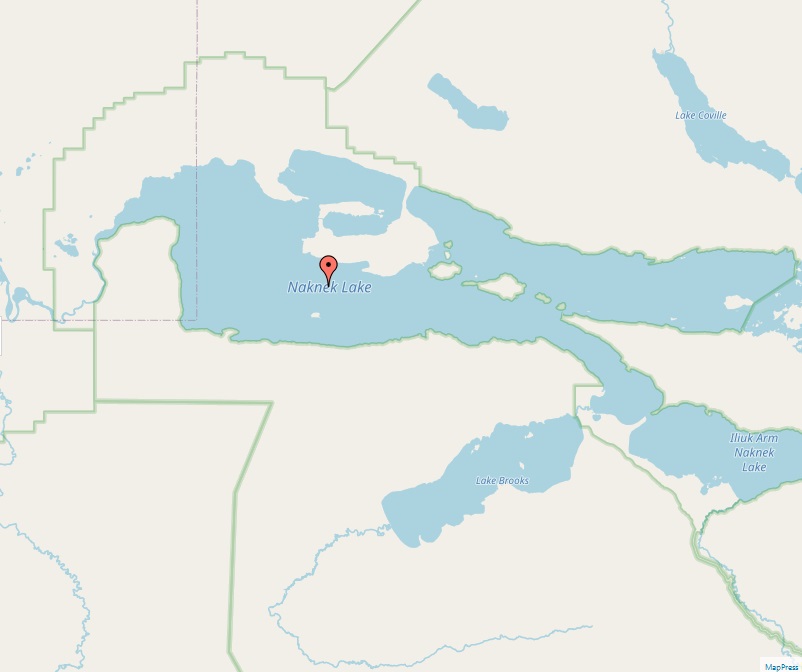
Naknek Lake, situated in southern Alaska, is a natural marvel nestled in Katmai National Park and Preserve. This largest lake in the park spans approximately 40 miles in length and varies between 3 to 8 miles in width, covering a surface area of around 150,000 acres. Renowned for its vibrant ecosystem and abundant wildlife, Naknek Lake is a pivotal component of the region's natural heritage. Geographical Significance Lying near the base of the Alaska Peninsula, Naknek Lake is a geographical wonder shaped over millennia. It drains into Bristol Bay through the Naknek River, contributing significantly to the area's hydrology. The lake's formation is linked to glacial activities, evidenced by the moraine that once connected Naknek Lake to Brooks Lake, giving rise to the Brooks Falls approximately 3500 years ago. Historical…
Read More
Lake Mead

Lake Mead

Lakes
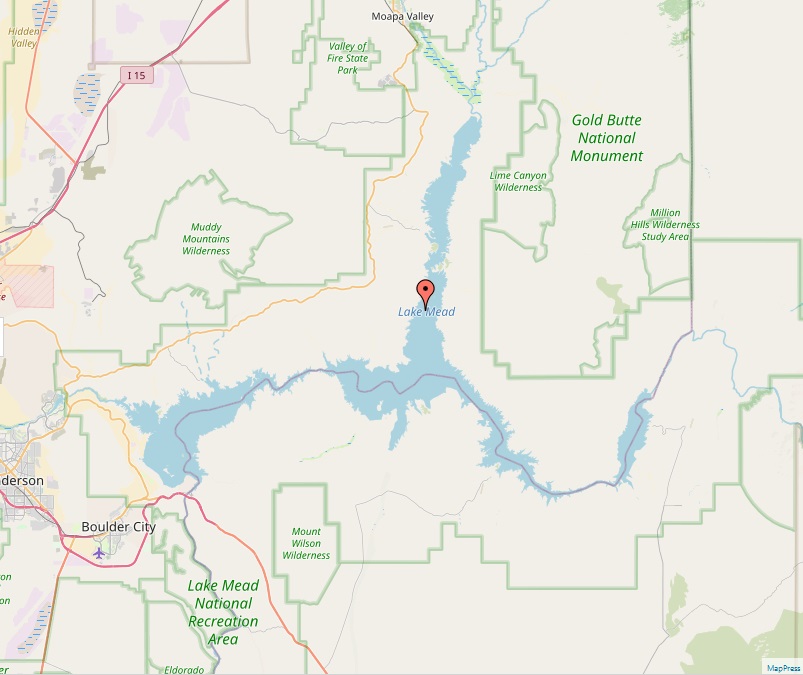
Lake Mead, created by the Hoover Dam on the Colorado River, is a pivotal reservoir located in Nevada and Arizona. As the largest reservoir in the United States by water capacity, it is a crucial water source for Arizona, California, Nevada, and parts of Mexico, supporting nearly 20 million people and extensive farmlands. Geographical Significance The reservoir extends 112 miles in length, with a maximum depth of 532 feet, and a surface area of 247 square miles. Its vast expanse is set against rugged mountain ranges, offering breathtaking vistas, especially at sunset. The surrounding landscape includes the River Mountains and the Muddy Mountains, with notable features like Bonelli Peak near the Virgin Basin. Water Capacity and Usage Lake Mead has a maximum water capacity of 28.23 million acre-feet. However, it…
Read More
Kentucky Lake

Kentucky Lake

Lakes
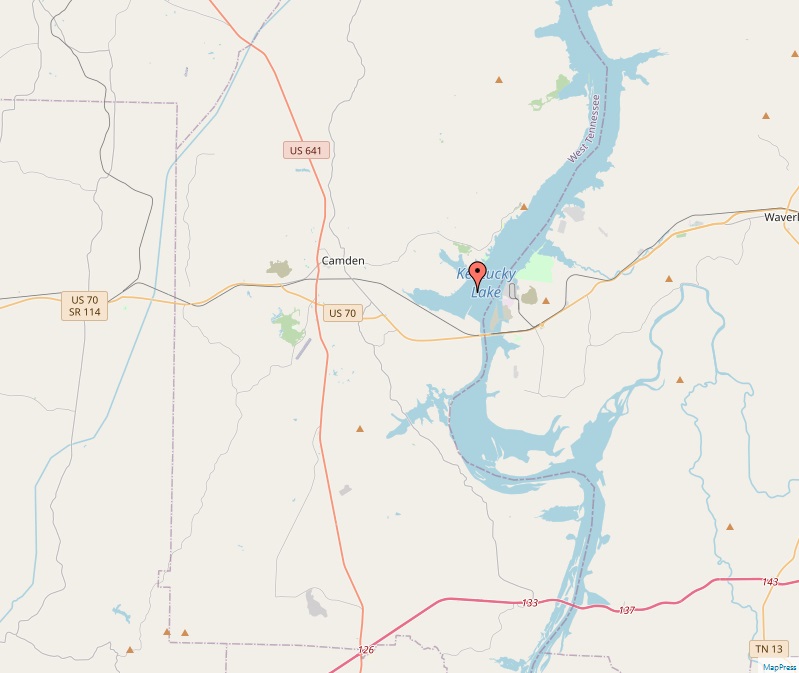
Kentucky Lake, a vast reservoir on the Tennessee River, is shared by Kentucky and Tennessee. Formed in 1944 by the Tennessee Valley Authority's Kentucky Dam, it's not only a vital flood control and hydroelectric power source but also a popular recreational haven. With a surface area of 160,309 acres, it's the largest artificial lake east of the Mississippi River in the United States. Creation and Purpose The construction of Kentucky Dam, completed in 1944, was primarily for flood control and to generate hydroelectric power. The impoundment of the Tennessee River led to the creation of Kentucky Lake, which boasts a flood storage capacity of 4,008,000 acre-feet. This makes it over two and a half times larger than any other lake in the Tennessee Valley Authority system. Its size and functionality…
Read More
Lake Powell

Lake Powell

Lakes
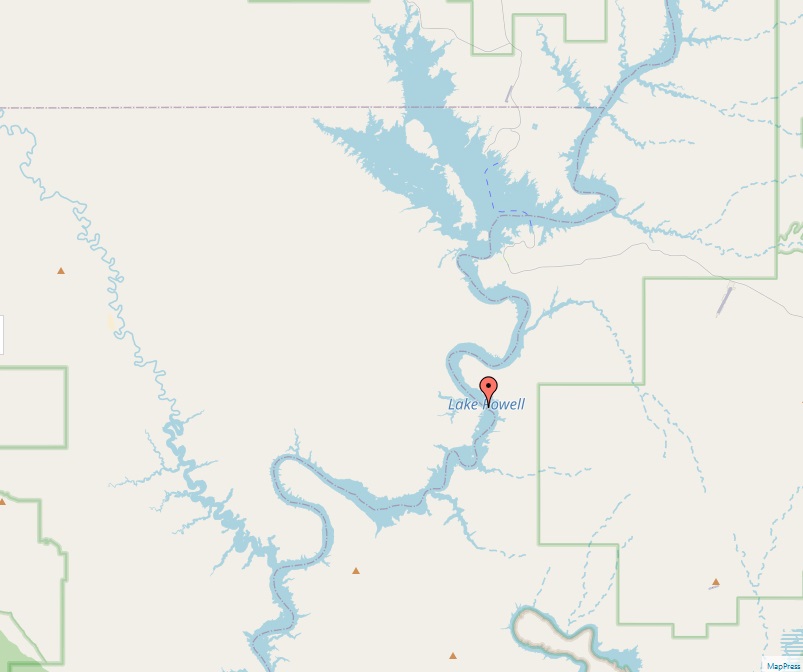
Lake Powell, a reservoir on the Colorado River, straddles the Utah-Arizona border in the United States. Known for its breathtaking landscape and recreational allure, it's a major vacation spot, drawing approximately two million visitors annually. With a storage capacity of 24,322,000 acre-feet at full pool, Lake Powell is the second-largest artificial reservoir in the U.S., only surpassed by Lake Mead. Creation and Naming The reservoir was created by the flooding of Glen Canyon with the construction of the Glen Canyon Dam, which commenced in 1963. This ambitious project led to the formation of the Glen Canyon National Recreation Area in 1972, a significant draw for tourists managed by the National Park Service. The reservoir honors John Wesley Powell, a Civil War veteran who navigated the Colorado River in 1869. Geography…
Read More
Toledo Bend Reservoir

Toledo Bend Reservoir

Lakes
Toledo Bend Reservoir, a remarkable feature along the Texas-Louisiana border, stands as a testament to human ingenuity and nature's bounty. Spanning 185,000 acres, it is the largest man-made body of water in both Louisiana and Texas, and the fifth largest in the United States by surface area. This reservoir, primarily known for its water supply, hydroelectric power generation, and recreational opportunities, has transformed the landscape and life in the adjoining regions. Geographical and Hydrological Features Straddling the Sabine River, Toledo Bend Reservoir extends approximately 65 miles up to Logansport, LA, inundating areas in Sabine, Shelby, Panola, and Newton Counties in Texas, and Sabine and DeSoto Parishes in Louisiana. Its strategic position forms part of the boundary between Texas and Louisiana. With an average depth of 24 feet and a maximum…
Read More