Falcon International Reservoir

Falcon International Reservoir

Lakes
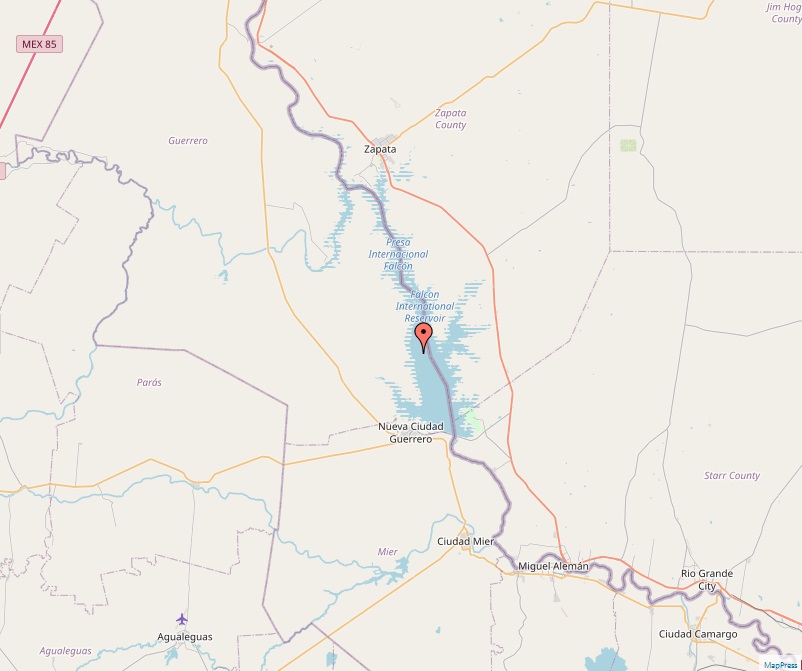
Falcon International Reservoir, commonly known as Falcon Lake, is a significant reservoir located on the Rio Grande. Straddling the international border between the United States and Mexico, it occupies parts of Texas and Tamaulipas, offering a unique blend of natural beauty and bilateral cooperation. Geographical Location and Formation Falcon Lake lies 40 miles southeast of Laredo, Texas, and Nuevo Laredo, Tamaulipas. Its creation stemmed from the construction of the Falcon Dam, completed in 1953, with the primary purposes of water conservation, irrigation, flood control, and hydroelectricity generation. The dam and lake are managed by the United States and Mexico through the International Boundary and Water Commission. Dam and Reservoir Characteristics The Falcon Dam, a significant structure dedicated by Mexican President Adolfo Ruiz Cortines and U.S. President Dwight D. Eisenhower, has…
Read More
Yellowstone Lake

Yellowstone Lake

Lakes
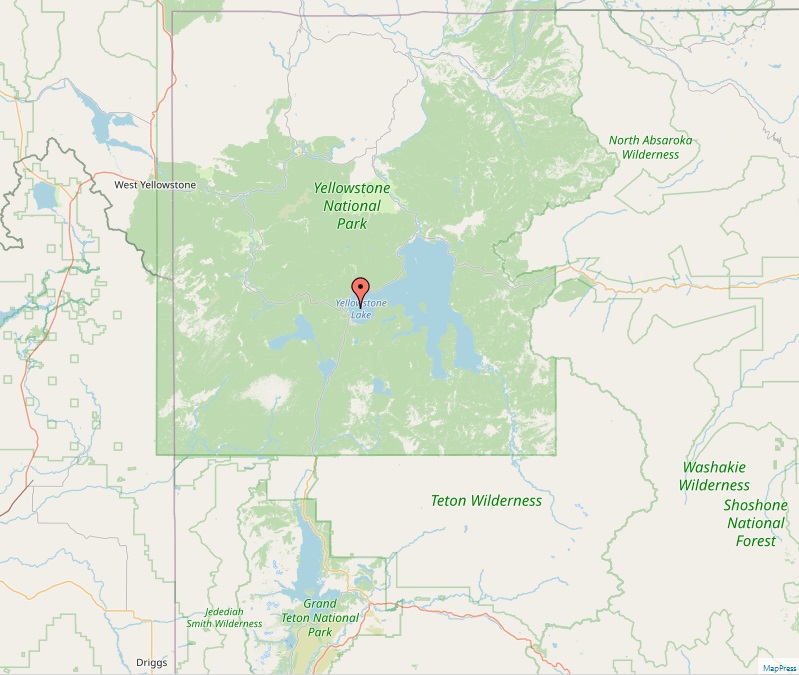
Lake Yellowstone, an iconic natural wonder, is nestled within the boundaries of Yellowstone National Park in Teton County, Wyoming. It is famed for its stunning beauty and geological significance, reflecting the dynamic history of one of America's most celebrated national parks. Geographical and Geological Features At an elevation of 7,732 feet above sea level, Lake Yellowstone is the largest body of water in Yellowstone National Park, covering an impressive 136 square miles with 110 miles of shoreline. Its depths reach a maximum of 394 feet, making it one of the deepest lakes in North America. The lake is a remnant of the ancient Yellowstone Caldera formed over 640,000 years ago. Hydrology Fed primarily by the Yellowstone River, the lake's waters are both an ecological treasure and a scientific marvel. In…
Read More
Lake Texoma

Lake Texoma

Lakes
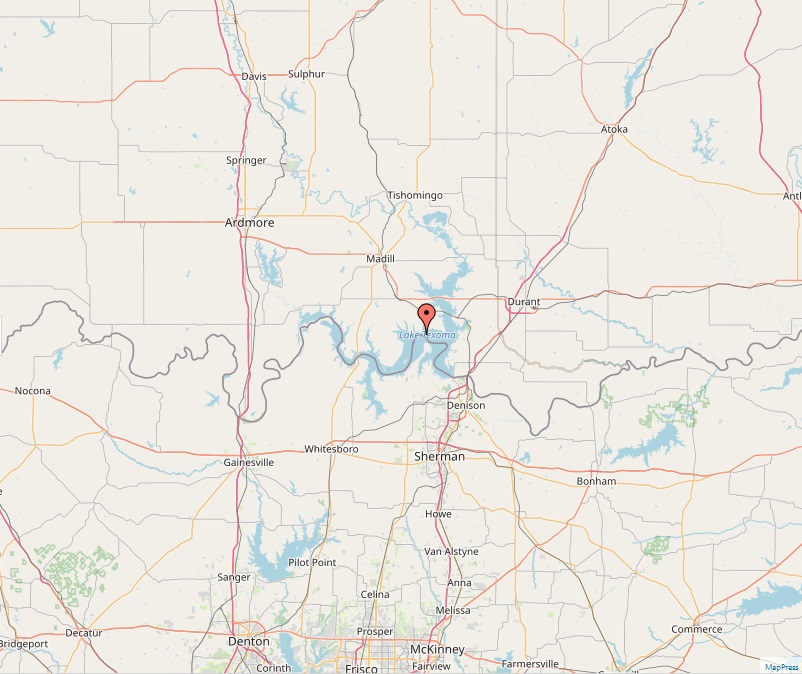
Lake Texoma, an engineering marvel and a natural sanctuary, straddles the border between Oklahoma and Texas. As the largest lake in the US Army Corps of Engineers' Tulsa District and the 12th largest in the United States, it offers a unique blend of natural beauty and recreational opportunities. Geographical Features Spanning over 89,000 acres, Lake Texoma is a reservoir created by the Denison Dam on the Red River. It lies approximately 726 miles upstream from the river’s mouth, nestled between Bryan County, Oklahoma, and Grayson County, Texas. The lake is fed by both the Red and Washita Rivers, with other notable tributaries contributing to its vastness. Hydrology and Water Levels The lake’s primary sources are the Red and Washita Rivers, with additional inflow from creeks like Big Mineral, Little Mineral,…
Read More
Lake Pend Oreille

Lake Pend Oreille

Lakes
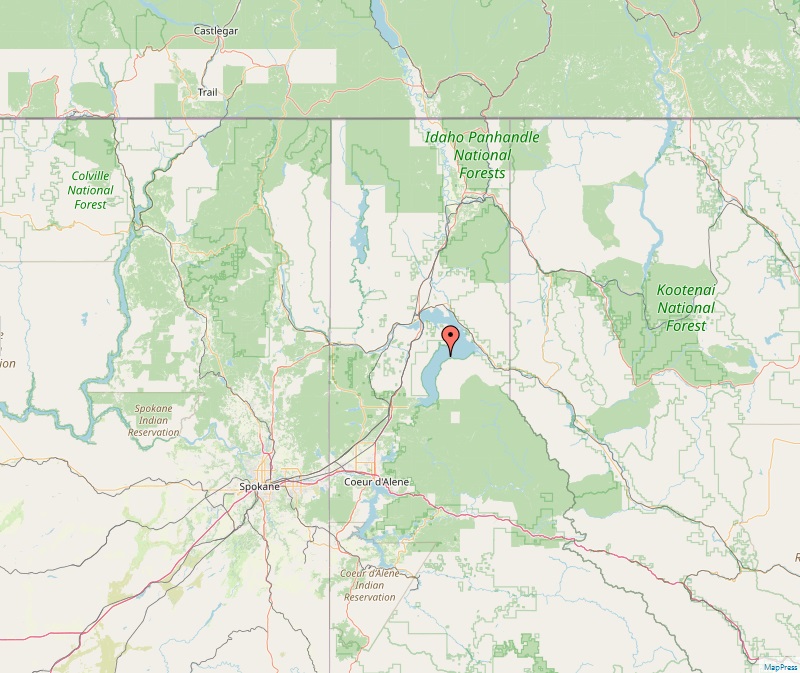
Lake Pend Oreille, nestled in the northern Idaho Panhandle, is not just Idaho's largest lake but also a national gem. Its stunning depth, reaching 1,152 feet, makes it the fifth deepest in the United States. Encompassing a surface area of 148 square miles, Lake Pend Oreille is a haven for outdoor enthusiasts and nature lovers alike. Geographical Features Spanning 69 kilometers in length, Lake Pend Oreille is cradled by Bonner and Kootenai counties. This glacially formed lake is fed by the Clark Fork River and the Pack River, and it drains into the Pend Oreille River. Interestingly, it also contributes to the Spokane Valley–Rathdrum Prairie Aquifer through sub-surface connections. Historical Significance Surrounding the lake are remnants of its historical significance, including Farragut State Park, once the Farragut Naval Training Station…
Read More
Utah Lake

Utah Lake

Lakes
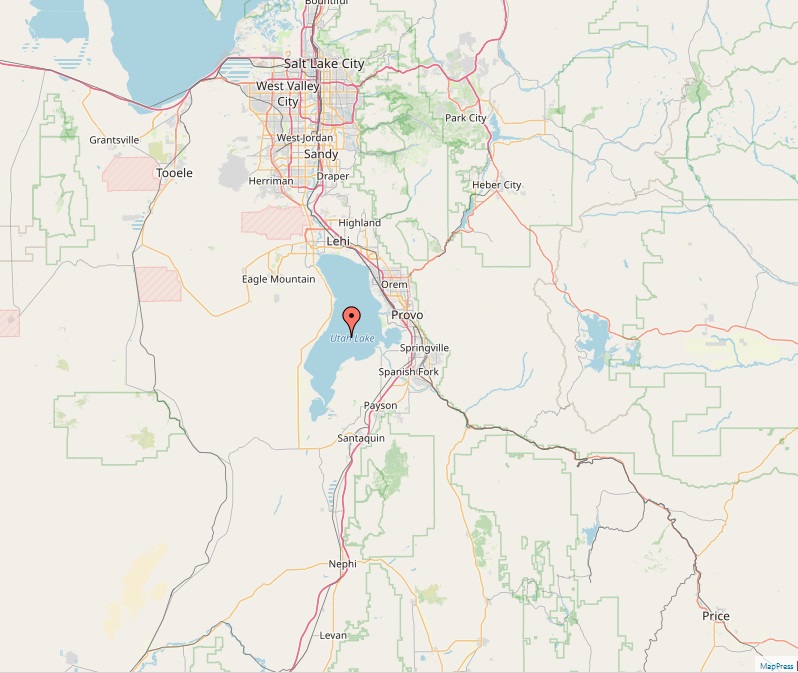
Utah Lake, known in the Shoshone language as Paa-Kateten, meaning “Water Sitting,” is a large, shallow freshwater lake in central Utah. It occupies a prominent place in Utah County and is a cornerstone of the Provo-Orem metropolitan area. The lake is unique for its slightly saline nature and eutrophic conditions, covering an expansive 95,000 acres with a relatively shallow average depth of 10.5 feet. Historical Context Discovered in 1776 by Father Silvestre Vélez de Escalante, Utah Lake has a rich history intertwined with the Timpanogots band of the Ute Tribe. The arrival of Mormon settlers in 1849 marked a shift in the region's demography and ecosystem. Over time, native fish species were overfished and replaced with non-native ones. The lake’s ecological balance was further disturbed by the introduction of common…
Read More
Leech Lake

Leech Lake

Lakes
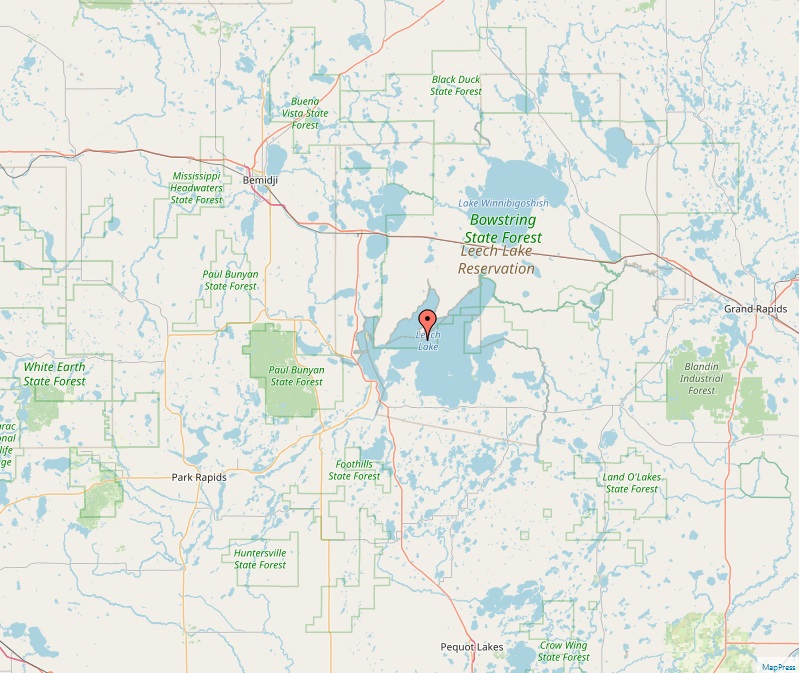
Leech Lake, located in north central Minnesota, is a unique and expansive body of water. Known in Ojibwe as Gaa-zagaskwaajimekaag, which translates to "Lake abundant with bloodsuckers," it covers an impressive 102,947 acres, making it the third-largest lake in Minnesota. Surrounded by the Leech Lake Indian Reservation and the Chippewa National Forest, it serves as a reservoir and is notable for its diverse ecology and recreational opportunities. Hydrology and Geography Leech Lake, primarily a reservoir, is part of a larger hydrological system. Its primary outlet is the Leech Lake River, which flows into the mighty Mississippi River. The lake is fed by seven major inlets and nine minor ones, making it a critical node in the region's water network. The lake is also known for its distinct areas like Walker…
Read More
Lake Marion (South Carolina)

Lake Marion (South Carolina)

Lakes
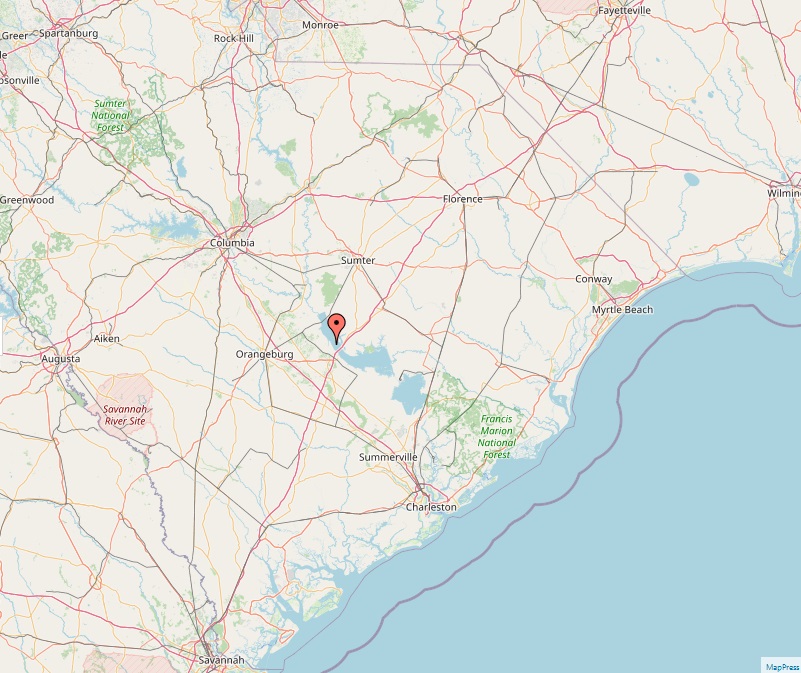
Lake Marion, a sprawling man-made reservoir in central South Carolina, is known for its vast expanse and diverse ecosystem. Covering approximately 110,000 acres and stretching across five counties, it is a pivotal component of the region's landscape and ecology. This article delves into the various aspects of Lake Marion, exploring its creation, geographical significance, recreational opportunities, and ecological importance. Creation and Purpose Constructed in the 1940s as a part of President Franklin D. Roosevelt's New Deal, Lake Marion was primarily created for hydroelectric power generation. The damming of the Santee River during this era marked a significant development in rural electrification and economic recovery efforts. Today, Lake Marion stands as one of the largest lakes in the United States and plays a crucial role in regional power supply and water…
Read More
Tulare Lake

Tulare Lake

Lakes
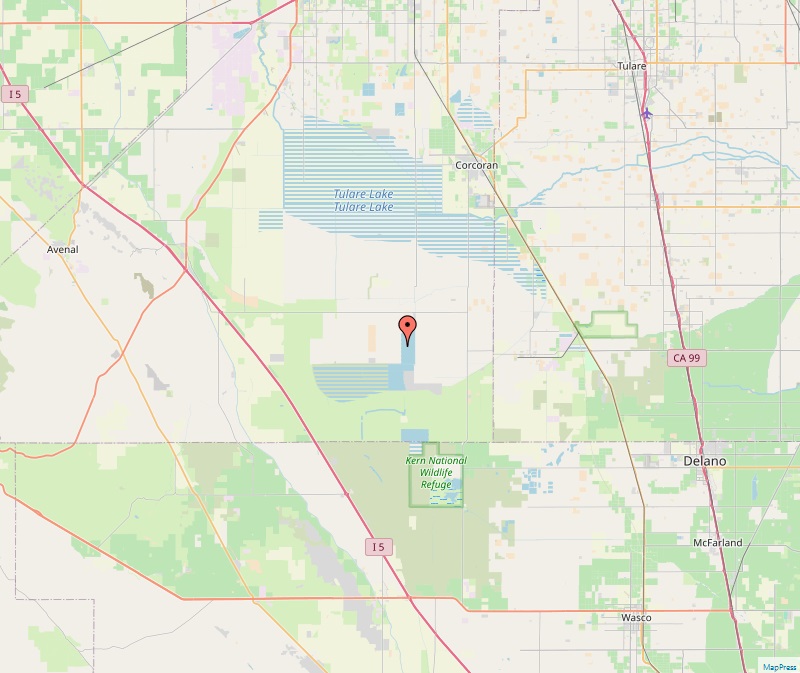
Lake Tulare, historically one of the largest freshwater lakes west of the Mississippi River, was a significant feature in California's southern San Joaquin Valley. With a vast surface area and rich ecological and cultural history, Lake Tulare played a crucial role in the region's environment and the lives of its Native American inhabitants. Historical Significance Originally known as Tache Lake and in Yokuts language as Pah-áh-su or Pah-áh-sē, Lake Tulare was a central hub for Native American populations for thousands of years. The lake's abundant resources supported one of the densest Native American populations north of Mexico. However, in the late 1800s, the lake experienced drastic changes due to the diversion of its tributary rivers for irrigation and urban development, leading to its current status as a predominantly dry lake.…
Read More
Lake Eufaula (Oklahoma)

Lake Eufaula (Oklahoma)

Lakes
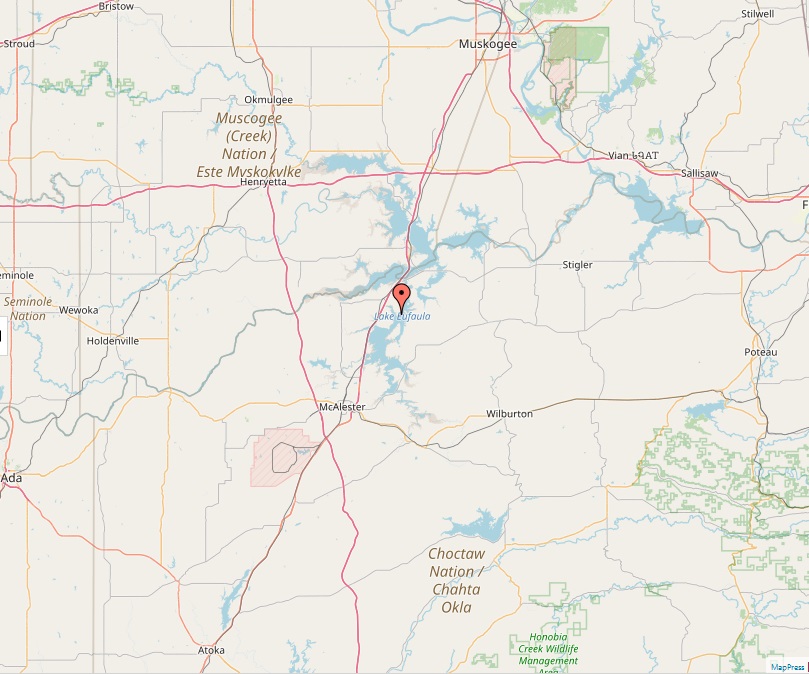
Lake Eufaula, nestled in Oklahoma, is a reservoir formed on the Canadian River near the town of Eufaula. It spans Haskell, McIntosh, Pittsburg, and Okmulgee counties, covering a massive area of 102,000 acres. As the largest-capacity lake in Oklahoma, Lake Eufaula is a prominent feature in the region, both in terms of its size and its utility. Geographical Significance The lake, with its vast expanse and 600 miles of shoreline, drains a substantial area of 47,522 square miles. It holds a significant volume of water, estimated at 2,099,000 acre-feet. The lake's average depth is around 23 feet, with some areas reaching depths of up to 87 feet. Its primary inflows are the North and South Canadian Rivers, and it serves as a crucial component of the region's hydrographic network. Historical…
Read More
Sam Rayburn Reservoir

Sam Rayburn Reservoir

Lakes
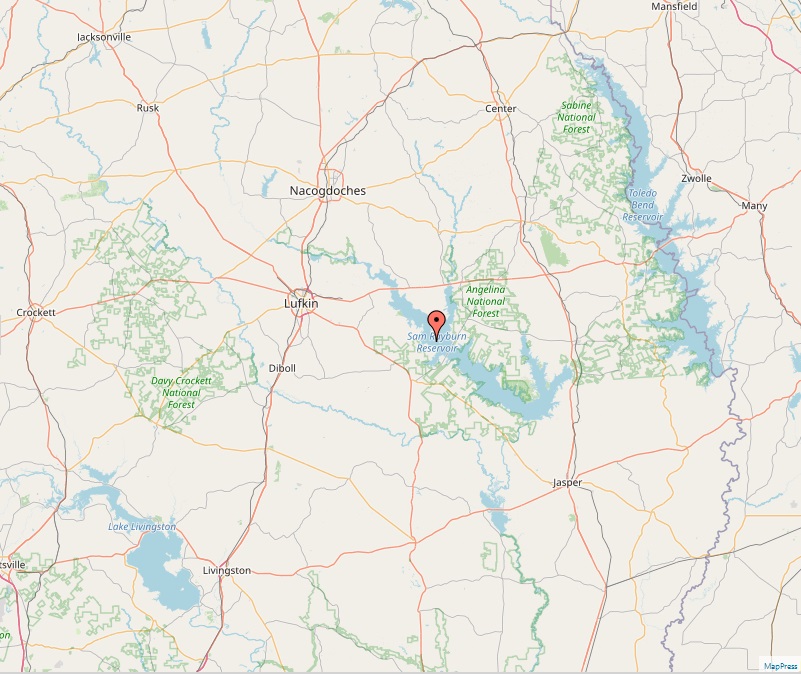
Nestled in the lush landscape of Deep East Texas, Sam Rayburn Reservoir, often referred to simply as Lake Sam Rayburn, is a significant body of water located 70 miles north of Beaumont. This reservoir, primarily fed by the Angelina River, holds the distinction of being the largest lake entirely within Texas. Geographical Overview Stretching over Angelina, Nacogdoches, San Augustine, Jasper, and Sabine counties, the reservoir boasts a maximum length of 36.43 miles and a width of 4.29 miles. It covers an impressive surface area of 114,500 acres and reaches depths of up to 80 feet. The catchment area of the lake spans 3,449 square miles. Historical Background Construction of the Sam Rayburn Reservoir commenced on September 7, 1956, and it began its service on March 29, 1965. Originally named McGee…
Read More